Natural Sleep Remedies Without Melatonin: 6 Adult Options I Actually Use

By Olivia
Aug 14, 20265 min read

I took melatonin every night for about eight months. It made falling asleep slightly easier, it made mornings noticeably worse, and it never once stopped me waking at 3 AM. When I finally read what it actually does, that made complete sense, and I felt less like a failure about it.
Melatonin is a timing signal. It tells the body that night has arrived. It is not a sedative, and it was never designed to hold anyone asleep through the second half of the night. Once I stopped asking it to do a job it does not do, I could look at what else was available. These are the six things I use now, ordered from the free and boring to the ones that need a pharmacist conversation.
What you'll get from this:
- Why melatonin disappoints so many adults who use it nightly
- Six alternatives for adults, four of which cost nothing
- The honest limit of each one, including the herbal options
Melatonin is a timing signal rather than a sedative. The American Academy of Sleep Medicine's clinical practice guideline does not recommend it as a treatment for chronic insomnia in adults, and common over-the-counter doses are far above what the body releases at night. It has clearer uses for jet lag and shifted body clocks.
The free levers are stronger than the bottle was
Not sure whether your body clock, your evenings or your stress load is the real driver? The quiz starts you on the likeliest one.
Find your sleep type — free 60-sec quizThis is the part I resisted for a long time, because a capsule is easier than changing a habit. But the two things that moved my sleep most were morning light and a fixed wake time, and neither cost anything. They work on the same system melatonin was trying to nudge, from the other end of the day and with far more leverage.
I also had to accept that nothing here is instant. The bottle promised tonight. Light timing and a steady schedule pay out over about two weeks. That delay is exactly why most people abandon them and go back to the shelf, so I now judge any change on a fortnight rather than on a single night.
6 natural sleep remedies for adults, without melatonin
The first four are free. Start there, because they change the system the supplements are only nudging.
Morning light, within an hour of waking
Why: Daylight early in the day is the strongest anchor for the body clock, which is the same system a melatonin dose is trying to influence at the wrong end of the day.
How: I get ten to fifteen minutes outdoors before the first scroll, even under cloud, and I do not rely on indoor lighting to do it.
A fixed wake time, including weekends
Why: A consistent wake time stabilises the whole rhythm. Sleeping in on Saturday is the single most reliable way I have found to ruin the following Sunday night.
How: I set the same alarm every day and let bedtime move on its own rather than trying to force it earlier.
Getting out of bed when I am clearly awake
Why: Lying awake for an hour teaches the brain that bed is a place for being alert. Breaking that association did more for my 3 AM wake-ups than any product.
How: If I am still wide awake after roughly twenty minutes, I get up, sit somewhere dim and boring, and return only when I feel genuinely sleepy.
A warm shower into a cool room
Why: The body needs its core temperature to drop to fall asleep. A warm shower brings blood to the skin, and the drop afterwards works with that process instead of against it.
How: I shower about ninety minutes before bed and keep the bedroom noticeably cool rather than merely comfortable.
Chamomile or lemon balm as a ritual
Why: Reviews find the effects modest and inconsistent, so I count the warm cup, the dim light and the pause as much of the benefit. Chamomile is in the ragweed family if you have those allergies.
How: I make it part of the wind-down at a fixed time rather than treating it as a remedy I reach for once I am already frustrated.
Magnesium glycinate or L-theanine, checked first
Why: Both are commonly chosen for the calm-down side of the evening, but the sleep evidence is still emerging and doses vary widely between brands.
How: I test one at a time for two weeks, compare elemental amounts on the Supplement Facts panel, and confirm interactions with a pharmacist before starting.
If you are already taking melatonin every night
I did not stop abruptly, mostly because I was nervous about the first few nights. I kept my wake time fixed, added the morning light first, and gave that two weeks before changing anything about the capsule. Having one thing clearly working made the rest much easier.
If melatonin genuinely helps you and mornings feel fine, there is no rule that says you have to stop. My point is narrower: if it is leaving you groggy, or if your real problem is waking at 3 AM rather than falling asleep at 11, it is probably the wrong tool and not a personal failure.
Want all six on one page?
Get the free Sleep Reset Checklist (PDF), covering the light, routine and evening habits that work without a nightly capsule. Sent to your inbox, instant download.
The bottom line
Melatonin is a timing signal, not a sedative, which is why it disappoints so many adults using it for 3 AM wake-ups. Morning light, a fixed wake time and getting out of bed when you are clearly awake are free, slower and considerably more powerful. Give any of them a full fortnight before judging.
Free sleep assessment
Is your body clock the problem, or something else entirely?
Take the free 60-second quiz to find your sleep type and what to fix first.
Take the free sleep quizFree · No signup · Results in 60 seconds
Related articles

Reset Your Sleep Schedule in 5 Days: My No-All-Nighter Plan
After one week of late nights, I tried to reset with an all-nighter and made everything worse. A sleep specialist gave me a five-day plan built around one anchor: wake time, not forced bedtime.
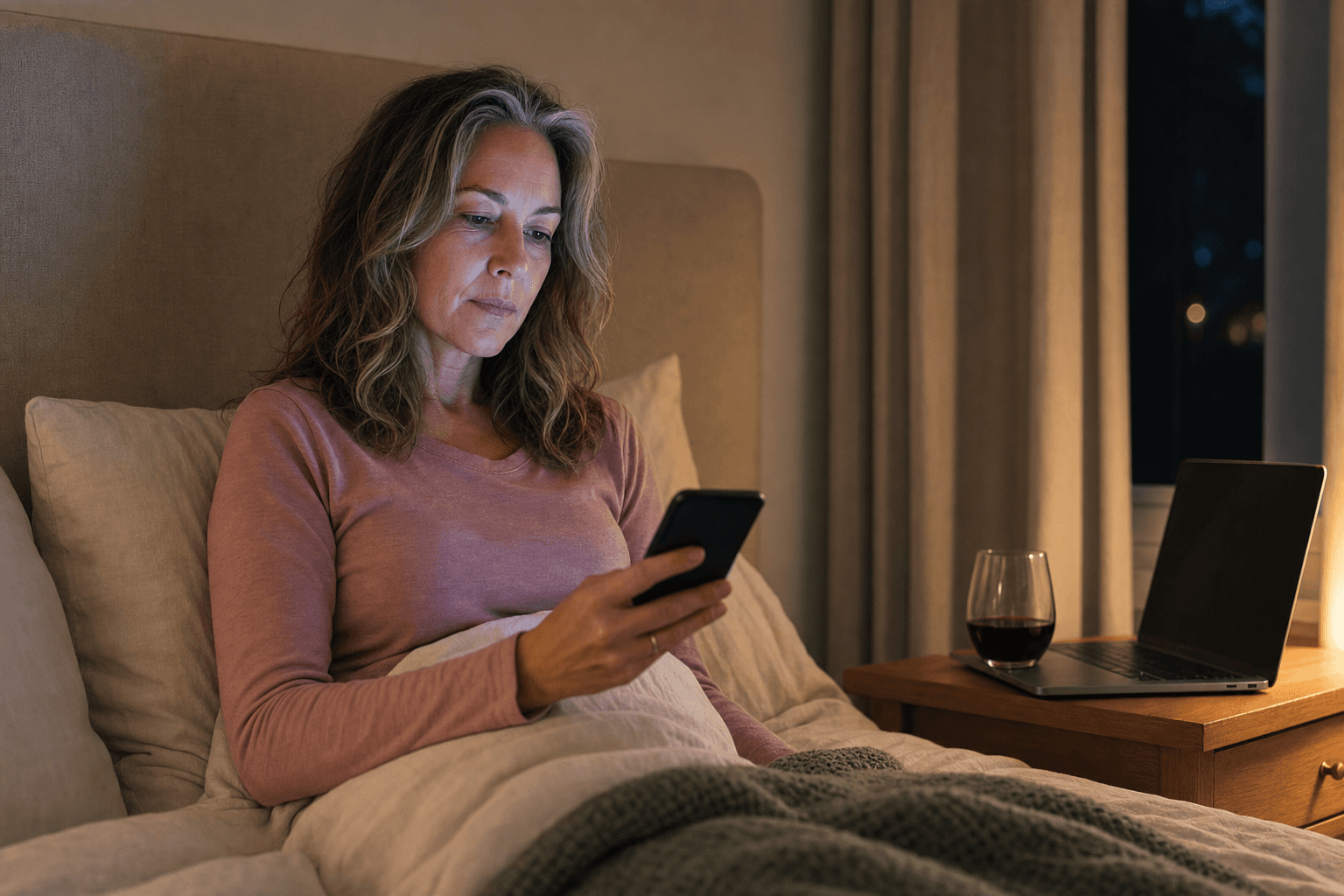
5 Bedtime Habits That Quietly Sabotage Your Sleep (I Did All of Them)
My old wind-down was one last email and one last glass, then lying in the dark wondering why my brain was still at the office. A sleep coach spotted 5 habits working against me. Here's each one, with its painless swap.
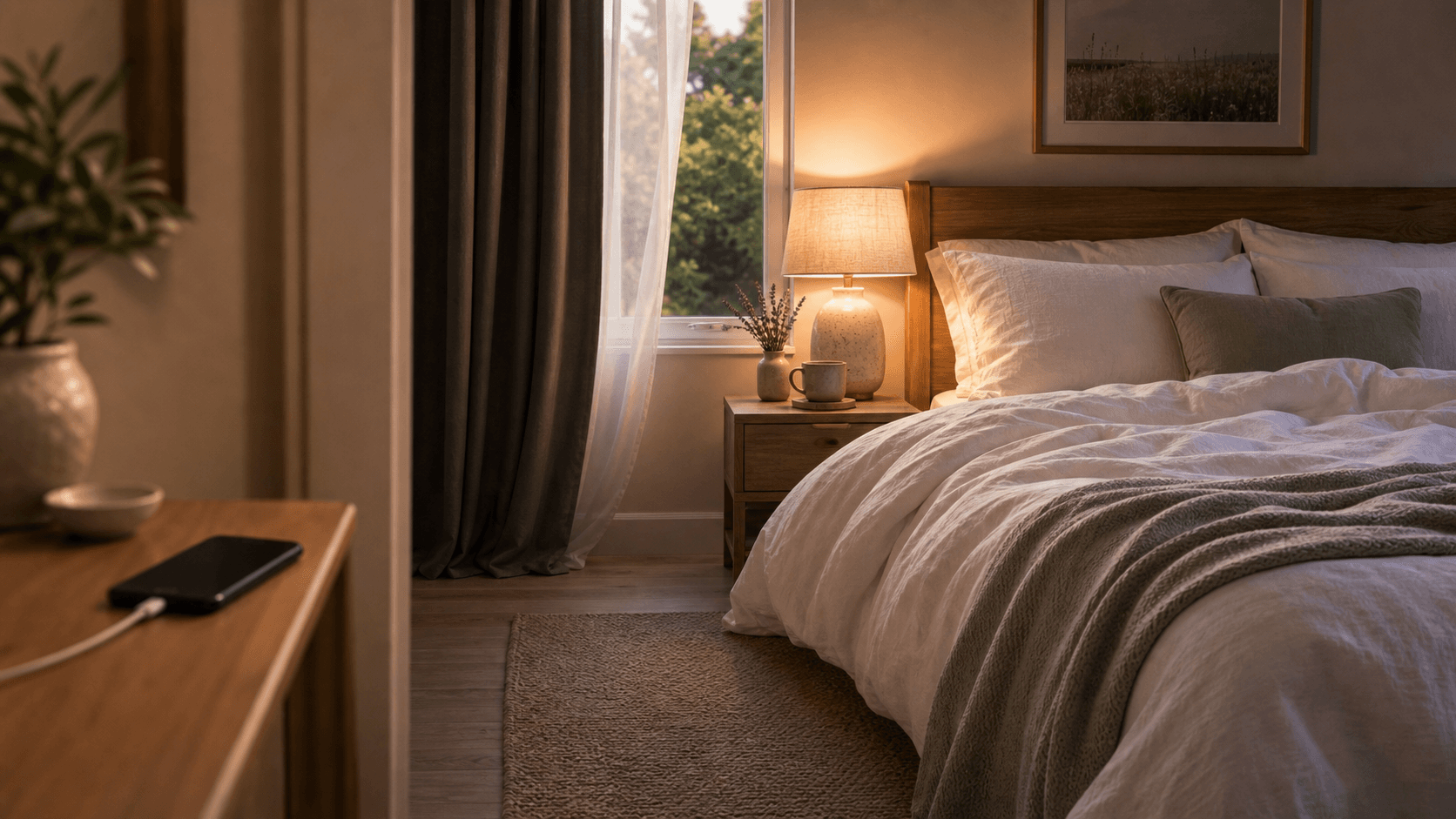
5 Cozy Bedroom Changes That Quietly Improved My Sleep
My bedroom looked beautiful. It also wasn't helping me sleep. An interior designer who works with sleep specialists walked through and pointed at 5 things — and within a week my nights felt different.
Note: This is my personal experience, not medical advice. Talk to a qualified professional before stopping melatonin or starting herbs and supplements, especially if you take sedatives, antidepressants, blood thinners or blood-pressure medicine, or have liver or kidney disease.