The Cortisol-Friendly Evening Plate: How I Build Dinner for Calmer Nights

By Olivia
Aug 11, 20265 min read

For about a year I collected cortisol information the way other people collect recipes. I knew the curve, I knew it was meant to bottom out overnight, I knew mine seemed to have other ideas at 3 AM. And then most evenings I ate a large bowl of pasta at nine o'clock and went to bed puzzled.
What eventually helped was not another list of foods that lower cortisol. It was changing how the plate was built: the proportions, the order and the hour. Single ingredients are easy to write about and easy to obsess over. The composition of the meal is what my evenings actually responded to.
What you'll get from this:
- The four-part plate I build most evenings
- Why proportion and timing beat hunting individual foods
- What I took off the plate, and what made no difference at all
Cortisol follows a daily rhythm that normally reaches its lowest point in the first hours of sleep. Research tying specific evening meals to overnight cortisol is still small and short-term, but large, late and heavily refined dinners have been associated with more night-time awakenings in observational work.
The plate matters more than any single ingredient
Not sure whether food, stress or hormones is actually driving your wake-ups? The quiz points you at the likeliest one first.
Find your sleep type — free 60-sec quizThe trap with cortisol content online is that it turns into shopping. Buy the dark chocolate, buy the fatty fish, buy the supplement. I did plenty of that, and my dinners were still a large plate of fast carbohydrate eaten late, with the virtuous ingredient sitting on top like a garnish.
Shifting the proportions did more than any addition. Roughly half the plate as vegetables, a clear protein portion, a modest slow carbohydrate and a little fat is not an exciting rule, but it changed how the following four hours felt. My working theory is simply that a steadier evening is easier for the body than a spike followed by a dip at exactly the hour I am trying to stay asleep.
How I build a cortisol-friendly evening plate
Four components and one clock rule. Nothing here is exotic, which is rather the point.
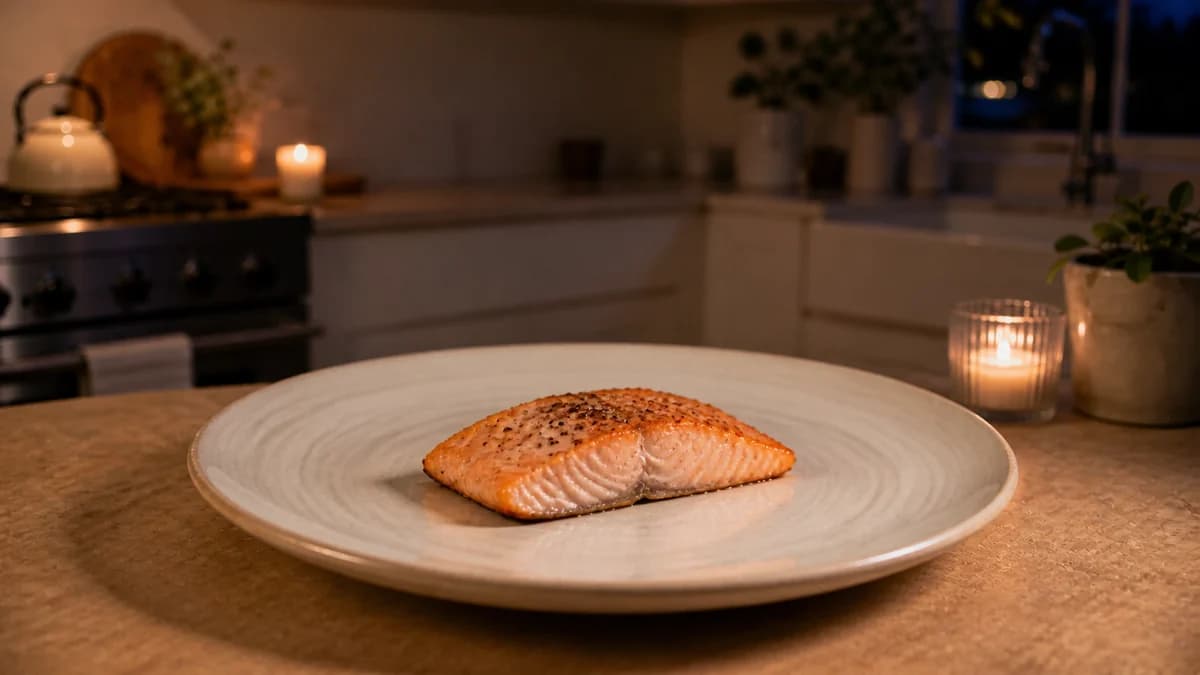
A clear protein portion, roughly palm-sized
Why: Protein slows the meal down and stops dinner turning into a carbohydrate-only plate. It also keeps me satisfied enough that I am not back in the kitchen at eleven.
How: Fish, eggs, poultry, tofu or beans. I put it on the plate first so the rest gets built around it rather than the other way round.
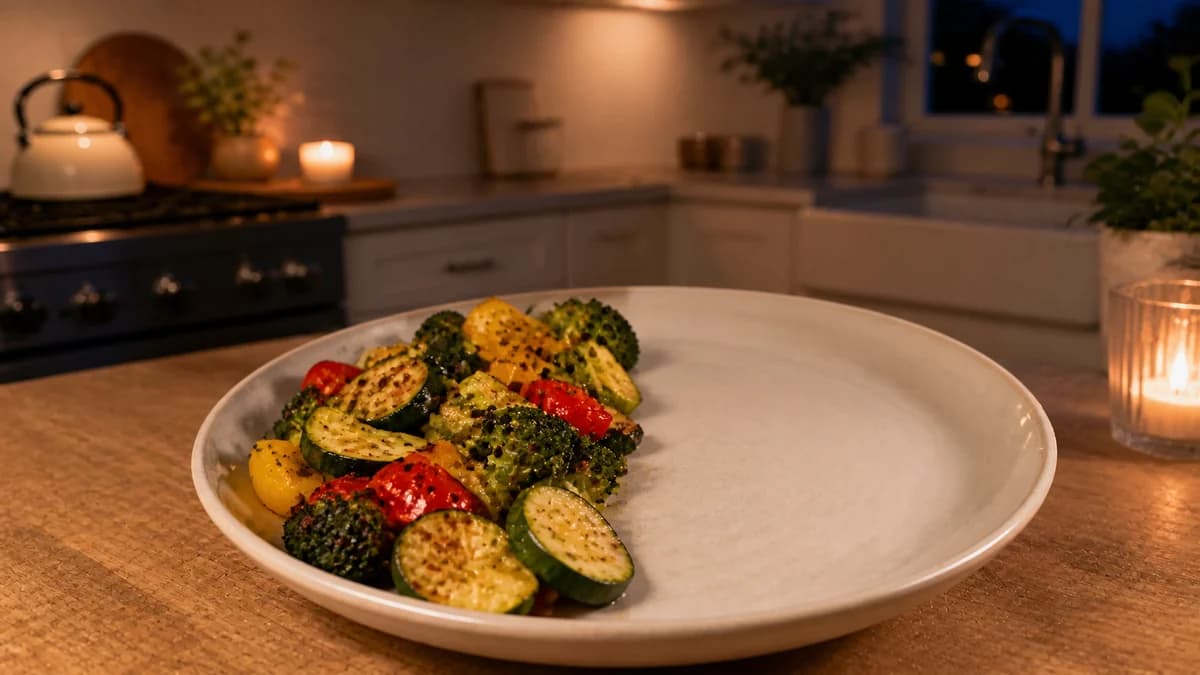
Half the plate in vegetables and fibre
Why: Fibre slows digestion and blunts the size of the rise after eating. It is also the part I most reliably skipped when I was tired and cooking at nine.
How: Whatever is roasted, steamed or raw and already in the fridge. I gave up on it being interesting and settled for it being present.
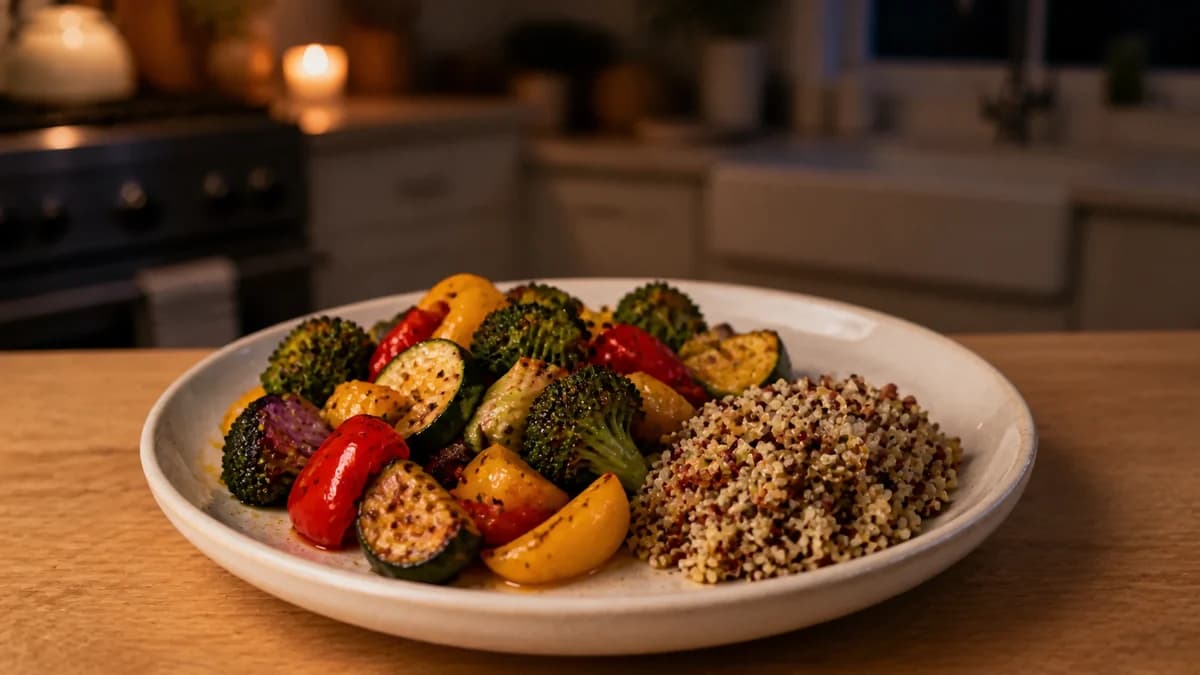
A slow carbohydrate, not zero carbohydrate
Why: Cutting carbohydrates out of dinner entirely made me hungrier at midnight, which created its own wake-up. The type and the portion mattered far more than the presence.
How: A small serving of quinoa, barley, whole grains or sweet potato, closer to a cupped handful than to the bowl I used to fill.
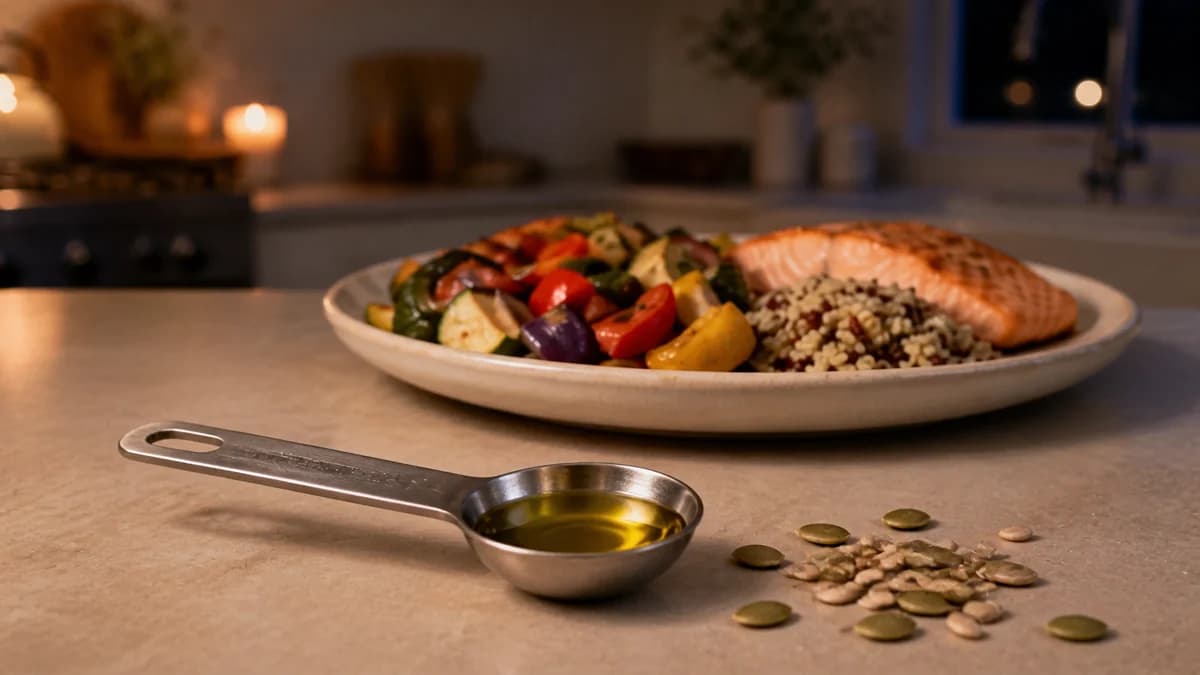
A little fat for staying power
Why: A modest amount of fat makes the meal more satisfying and slows it further. Too much and dinner sits heavily, which is its own reason to be awake at one in the morning.
How: Olive oil, a few nuts or seeds, some avocado. One deliberate spoonful rather than a generous pour I never measured.
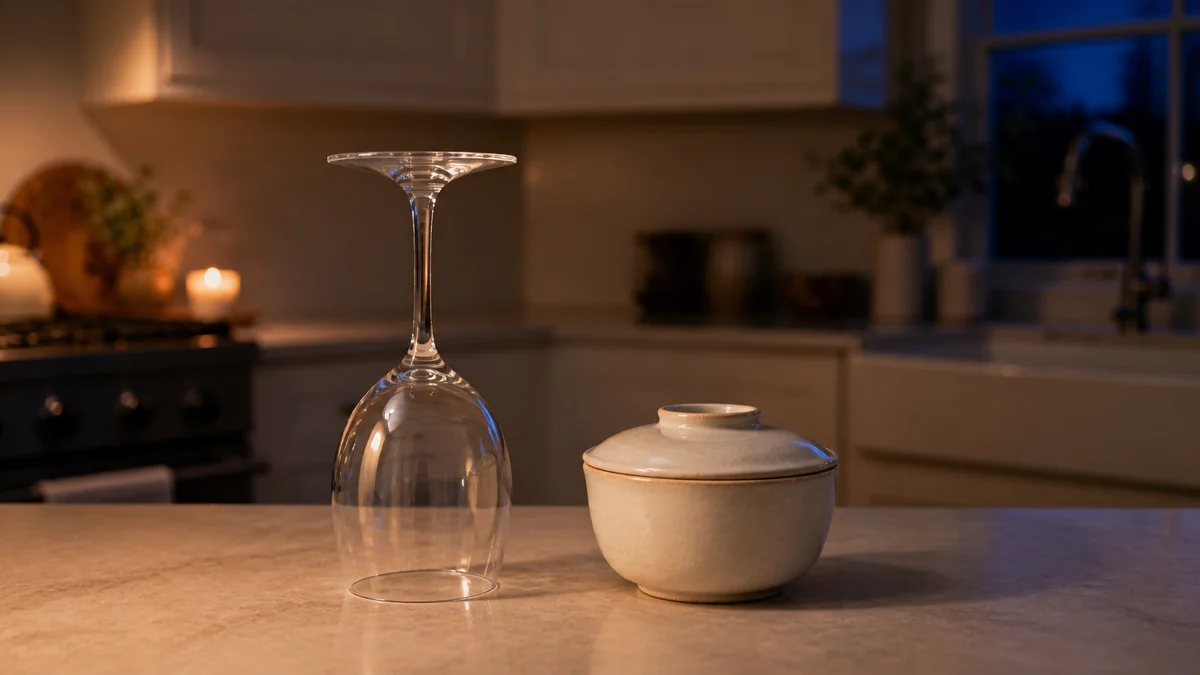
What I moved off the evening plate
Why: Wine was the honest one. It got me to sleep faster and reliably woke me a few hours later, which is exactly the half of the night I was trying to protect.
How: I moved alcohol earlier and made it occasional, and I shifted anything sweet to just after lunch. I tested one change at a time so I knew which one had done the work.
The clock rule that made the plate work
None of the above rescued a plate eaten at nine thirty. Finishing dinner roughly three hours before bed is what made the composition worth bothering with, and on the nights I cannot manage that, I keep the meal smaller rather than trying to eat perfectly and late.
I should be straight about what did not change. My 3 AM wake-ups did not disappear, they became less frequent and less wired, and the difference took about three weeks to show. If your wake-ups are driven by hot flashes or a genuine anxiety load, dinner is a supporting change and not the main one.
Want the whole evening mapped out in one page?
Get the free Sleep Reset Checklist (PDF), covering the food, light and routine habits that protect the first half of the night. Sent to your inbox, instant download.
The bottom line
Stop shopping for cortisol-lowering ingredients and start building the plate: half vegetables, a clear protein, a modest slow carbohydrate, a little fat, finished about three hours before bed. It is unglamorous, it takes about three weeks to show, and it outperformed every single food I ever added on top.
Free sleep assessment
Is your evening plate quietly costing you the night?
Take the free 60-second quiz to find your sleep type and what to fix first.
Take the free sleep quizFree · No signup · Results in 60 seconds
Related articles

Foods That Lower Cortisol at Night: My Honest 6-Item List
At 9:30 PM I was searching for a food that could switch cortisol off by bedtime. A nutritionist friend gave me the less glamorous answer: no magic food, but much smarter nighttime choices.

Healthy Bedtime Snacks That Don't Spike Blood Sugar: 6 Easy Pairings
At 10 PM I was either going to bed hungry or eating crackers straight from the sleeve. A nutritionist friend showed me a calmer middle ground: small snacks that pair fiber-rich carbs with protein or fat.
Foods to Eat (and Avoid) in the 3 Hours Before Bed
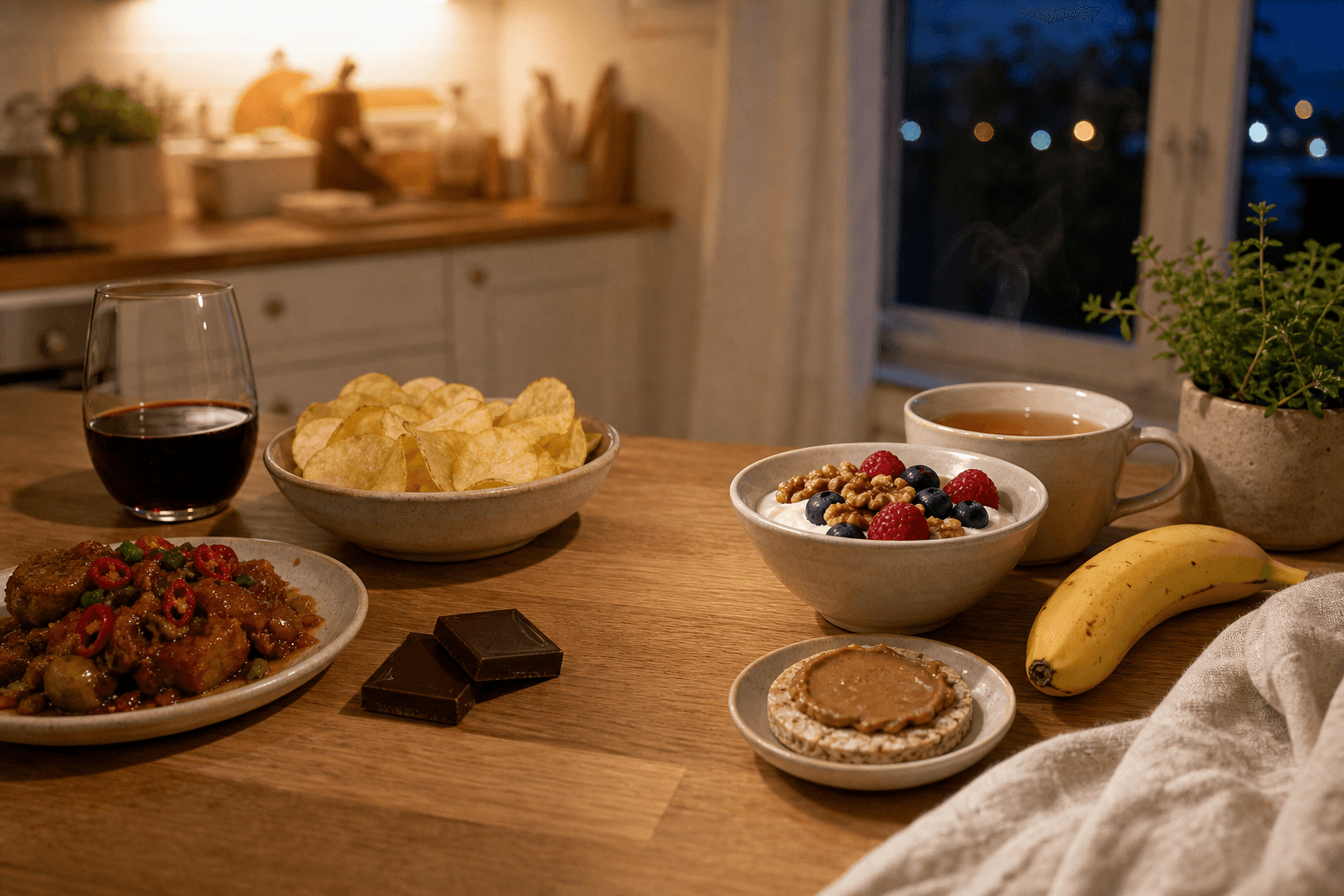
A nutritionist friend watched me pour a 9 PM glass of wine next to a bowl of chips and said, kindly, that my dinner was showing up at my 3 AM. Here's what I now eat, and skip, in the last 3 hours.
Note: This is my personal experience, not medical advice. Talk to a qualified professional before changing your evening eating pattern if you have diabetes, take glucose-lowering or blood-pressure medication, are treated for a cortisol-related condition, or manage reflux.